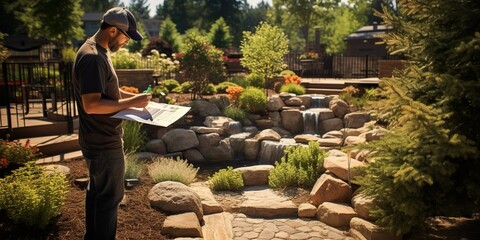
Step outside and imagine your yard as more than just open space. Picture a place where every path feels intentional, where plants thrive in the right spots, and where the entire area flows naturally from one section to another. This level of design does not happen by accident. It is carefully planned and executed by landscape designers who understand both creativity and functionality.
Landscape Designers Honolulu HI help turn ordinary outdoor spaces into environments that are both beautiful and practical. Whether you are working with a small backyard or a large property, their expertise can completely transform how the space looks and feels.
What Are Landscape Designers
Landscape designers are professionals who plan and design outdoor spaces. Their focus is on creating layouts that combine aesthetics, usability, and environmental balance.
They consider factors such as plant selection, climate conditions, soil quality, and how the space will be used. Their goal is to create outdoor areas that are visually appealing and easy to maintain.
Unlike contractors who focus on building, landscape designers concentrate on the planning and creative aspects. They develop detailed designs that guide the entire project.
Their work serves as the blueprint for transforming your outdoor space.
What Landscape Designers Do
Landscape designers begin by evaluating your property. They study the layout, existing features, sunlight exposure, and drainage conditions.
They then create a design plan that includes plant placement, pathways, seating areas, and other features. This plan ensures that everything works together in a cohesive way.
Designers also help select materials and plants that suit your environment and preferences. They balance color, texture, and structure to create a harmonious look.
In many cases, they collaborate with contractors to ensure that the design is properly implemented.
Their role is to bring your vision to life in a practical and organized way.
The Landscape Design Process
The process starts with a consultation where your goals, preferences, and budget are discussed. This helps the designer understand what you want to achieve.
Next comes site analysis. The designer evaluates soil conditions, sunlight, slope, and drainage to determine what will work best.
A design plan is then created. This may include sketches or detailed drawings that outline the layout and features.
Once the design is approved, the project moves into the installation phase, often handled by contractors.
A final review ensures that the completed space matches the original vision and functions as intended.
Each step is important for achieving a successful result.
Key Elements of Landscape Design
Landscape designers work with several important elements to create balanced outdoor spaces. Plants are a central feature, adding life, color, and texture.
Hardscape elements such as patios, walkways, and retaining walls provide structure and define the layout.
Water features and lighting enhance the atmosphere and make the space enjoyable at different times of day.
Open space is also essential. It prevents overcrowding and allows the design to feel natural and inviting.
By combining these elements, designers create spaces that are both functional and visually appealing.
Benefits of Hiring a Landscape Designer
Hiring a landscape designer offers several advantages. One of the main benefits is professional expertise. Designers understand how to create layouts that work well in both form and function.
They also consider long term growth and maintenance. This ensures that your landscape remains attractive over time.
Another benefit is efficiency. A well planned design reduces the risk of costly mistakes and unnecessary changes.
Designers can also introduce creative ideas that you may not have considered, enhancing the overall result.
These benefits make professional design a valuable investment.
Landscape Designers vs Landscape Contractors
It is important to understand the difference between landscape designers and landscape contractors. Designers focus on planning and creating the layout, while contractors handle the physical installation.
Designers develop the concept and provide detailed plans. Contractors use those plans to build and implement the project.
In many cases, both professionals work together to achieve the desired outcome.
Knowing this distinction helps you choose the right services for your needs.
Choosing the Right Landscape Designer
Selecting the right landscape designer involves several considerations. Experience is one of the most important factors. A designer with a strong portfolio is more likely to deliver quality results.
Style is another key factor. Reviewing past work helps you determine if their design approach matches your preferences.
Communication is essential. A designer who listens to your ideas and provides clear guidance can make the process smoother.
Budget should also be discussed early. Understanding costs and expectations helps avoid surprises.
Taking the time to choose carefully ensures a successful project.
Cost of Landscape Design Services
The cost of landscape design services varies depending on the scope of the project. Factors such as size, complexity, and level of detail influence pricing.
Simple designs may be more affordable, while comprehensive plans with multiple features may cost more.
Some designers charge a flat fee, while others base their pricing on project size or time.
Investing in quality design often leads to better long term results and fewer issues.
Understanding costs helps you plan effectively.
Maintaining Your Designed Landscape
Once your landscape is complete, proper maintenance is essential to preserve its beauty and function. Regular care such as watering, pruning, and cleaning helps keep the space in good condition.
Seasonal adjustments ensure that plants remain healthy throughout the year. This may include fertilizing, trimming, and replacing certain elements.
Monitoring the landscape allows you to address issues early and maintain the integrity of the design.
Consistent maintenance ensures that your outdoor space continues to look its best.
Final Thoughts
Landscape designers play a key role in shaping outdoor spaces that are both beautiful and functional. Their ability to combine creativity with practical planning ensures that every element works together seamlessly.
By understanding their role and knowing how to choose the right one, you can create an outdoor environment that reflects your style and meets your needs. A well designed landscape enhances not only the appearance of your property but also how you experience it.
In the end, working with a landscape designer is about more than improving your yard. It is about creating a space where you can relax, gather, and enjoy the outdoors in a setting that feels thoughtfully designed and truly your own.